Two Flags, One Pole: How Courts Sort Out Speech When Both Sides Claim the Same Right
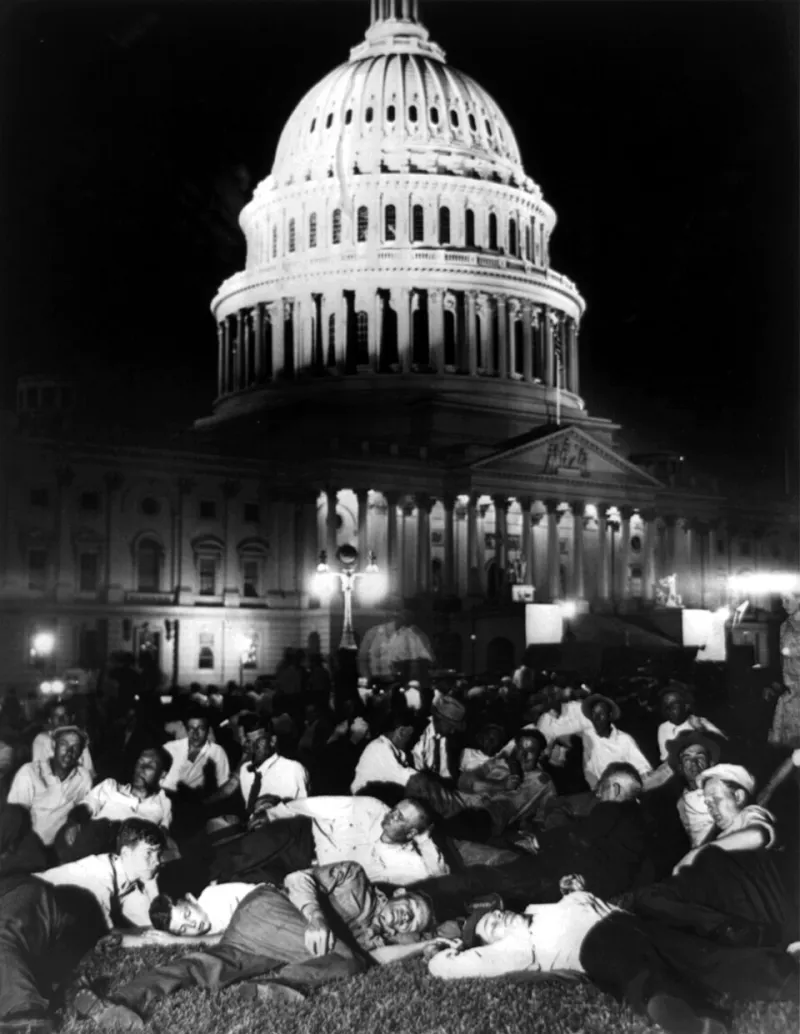
Photo: Underwood & Underwood, Public domain, via Wikimedia Commons
The scene repeats itself across the country with minor variations: a memorial plaza, a monument, a flagpole, and two groups of Americans who each believe — sincerely and often correctly — that the Constitution is on their side. One gathers to honor the fallen. Another arrives to protest what the flag has come to mean. Both claim the same ground, the same hour, and the same right.
These collisions expose an uncomfortable truth about the First Amendment: it does not promise harmony. It promises a framework for resolving conflict, and that framework is more intricate — and more interesting — than most Americans realize.
The Myth of the HierARCHy of Speech
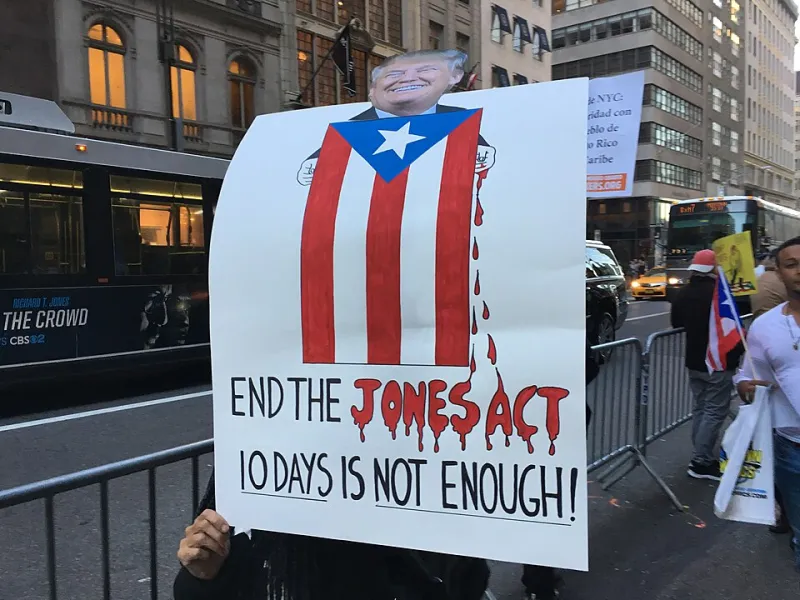
A persistent misconception holds that some speech is simply "more protected" than others — that a veterans' ceremony outranks a protest, or that dissent must yield to solemnity. Courts have rejected this instinct repeatedly. In Texas v. Johnson (1989), the Supreme Court held that flag burning itself is expressive conduct shielded by the First Amendment, a ruling that outraged millions but settled a core principle: offense is not a veto. The government may not suppress a message merely because a majority finds it contemptible.
But Johnson only begins the analysis. The harder questions arise not from what is said, but from where, when, and how loudly — questions the law answers through the doctrine of the public forum.
Forums, Time, and Manner: The Court's Toolkit
Traditional public forums — parks, sidewalks, plazas outside courthouses and capitols — receive the strongest protection. The government may not exclude speakers based on viewpoint, but it may impose reasonable "time, place, and manner" restrictions that are content-neutral, narrowly tailored, and leave open ample alternative channels.
This is where competing claims get resolved. A veterans' organization holding a permit for a Memorial Day ceremony at a memorial plaza does not own the space forever, but it does hold a legitimate interest in the event proceeding without disruption. Protesters do not lose their rights; their rights are channeled. Courts routinely uphold permit schemes that assign speakers to designated areas or staggered times — provided those schemes are enforced evenhandedly and do not function as a pretext for suppressing an unpopular message.
The trouble begins when the line between "channeling" and "censoring" blurs. The so-called free speech zones that proliferated at public monuments and university quads after the 1990s have drawn sustained criticism for pushing dissent out of sight — sometimes to patches of grass yards away from the very monument a speaker wishes to address. Federal courts have struck down several such zones as unconstitutional in practice, even when defended as crowd management.
When Counter-Speech Becomes Disruption
Prayer circles interrupted by shouted counter-protests present the sharpest version of the dilemma. The heckler's veto — silencing a speaker through hostile reaction rather than official action — is generally not a First Amendment problem when the reaction is private. Private counter-speech is itself protected. The constitutional violation occurs only when the government, weary of the conflict, shuts down the original speaker instead of the disruption.
Courts have handled this unevenly. Some rulings have protected speakers who were removed "for their own safety" after hostile crowds formed, treating the government's capitulation to mob pressure as an unconstitutional surrender. Others have allowed officials leeway when genuine public safety concerns are documented. The dividing line, most jurists agree, is whether the government did all it reasonably could to protect the speaker before pulling the plug — a standard that demands more from officials than most are willing to give.
Whose Voices Count in the Commons?
Underlying all of this is a question the doctrine rarely answers directly: when two groups claim the same flagpole, whose presence gets priority? Formal law says first in time with a valid permit, subject to content-neutral rules. Informal reality is messier. Communities with resources, relationships with local officials, and familiarity with permitting systems reliably secure the best spaces and times. First-time protesters often learn the rules only after they have lost.
Advocates across the political spectrum should find this troubling. The constitutional commitment to public debate is hollow if the commons is effectively rationed by bureaucratic fluency. A few reforms — streamlined permit applications, viewpoint-blind scheduling, and clear published rules for memorial plazas — would not eliminate conflict, but they would ensure the conflict happens on fair terms.
The Uncomfortable Peace
The First Amendment was never designed to make Americans comfortable in each other's company. It was designed to force coexistence: the honor guard and the heckler, the hymn and the chant, sharing the same plaza because neither can lawfully evict the other. That arrangement is noisy, sometimes painful, and precisely the point.
The next time a flag burns near a memorial or a prayer circle meets a megaphone, resist the urge to ask which side the Constitution loves. It loves them both — and then hands the paperwork to the government and tells it to make room.