Tax Exemption as a Muzzle: Inside the Quiet Battle Over the Johnson Amendment
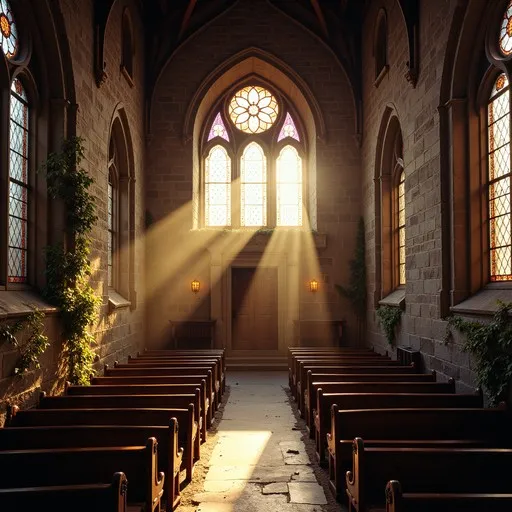
Photo: church pulpit empty sanctuary sunlight, via images.stockcake.com
Every other Sunday, somewhere in America, a pastor steps to the pulpit and says something that could cost their congregation its tax exemption. Most of the time, nothing happens. Increasingly, that silence from the IRS is the point — and it is fueling a legal and political standoff that may force the courts to answer a question they have dodged for seventy years: what exactly may the government demand in exchange for tax-exempt status?
A Statute Born of a Grudge
The Johnson Amendment takes its name from Lyndon B. Johnson, then a Texas senator, who in 1954 inserted language into the tax code barring 501(c)(3) organizations — churches included — from intervening in political campaigns. The provision was aimed less at clergy than at political rivals, but it settled into law and stayed there.
For decades, enforcement was vanishingly rare. No church has definitively lost its exemption over a single endorsement. Critics call the amendment a paper tiger; defenders call that restraint proof that a light touch works.
The Pulpit Freedom Push
That quiet equilibrium has unraveled. Organizations such as Alliance Defending Freedom have organized annual 'Pulpit Freedom Sundays,' encouraging clergy to endorse candidates from the pulpit precisely to trigger a court challenge. Until recently, the government declined to take the bait, leaving the constitutional question in a state of suspended animation.
What changed is posture. Recent IRS statements and settlement positions in pending litigation have suggested that pulpit remarks to a congregation may not constitute 'campaign intervention' at all — a shift that, if formalized, would hollow out the amendment for churches without ever reaching the courts. Regulators have also faced scrutiny over remarks implying that clergy endorsements were private matters between pastor and congregation, comments that drew bipartisan alarm and left the rule's future genuinely uncertain.
Two First Amendments in Tension
The constitutional debate runs on two tracks. Free exercise and free speech advocates argue that conditioning a tax benefit on political silence is exactly the kind of leverage the First Amendment forbids — a financial penalty dressed up as tax administration. They point to cases like National Institute of Family and Life Advocates v. Becerra for the proposition that burdens on speech cannot hide behind regulatory labels.
The counterargument leans on Regan v. Taxation With Representation, where the Supreme Court held that Congress may decline to subsidize the exercise of speech rights. Tax exemption, on this view, is a legislative grace, not a constitutional entitlement. A church may endorse anyone it likes; it simply cannot do so while enjoying a subsidy meant for nonpolitical, charitable work. The line, defenders insist, draws itself: charities and churches remain free to speak on issues, mobilize voters, and host candidate forums — they just cannot become campaign committees.
The Slippery Slope Runs Both Ways
Skeptics of repeal raise a practical worry: if houses of worship become de facto political action committees, the floodgates open — not just for endorsements but for coordinated spending, bundled donations, and dark-money channels routed through entities that do not disclose donors. Churches, synagogues, and mosques would find themselves pulled into the machinery of campaigns whether their congregations wanted it or not.
Supporters of the amendment also note a self-inflicted cost. A pastor who endorses a candidate from the pulpit doesn't just risk the tax bill; they risk turning a sanctuary into a precinct. Surveys consistently show congregants are divided on whether they want electoral politics in the sermon. The speech rights of clergy, in other words, collide with the conscience rights of pews.
Where This Is Heading
Three outcomes are on the table. Congress could legislate — bills to repeal or narrow the Johnson Amendment have circulated for years without passage. The IRS could issue guidance carving churches out of the prohibition, effectively conceding the fight administratively. Or a court, finally presented with a live controversy, could rule on whether the amendment survives strict scrutiny as applied to clergy.
Whichever path prevails, the stakes extend well beyond the sanctuary. Universities, foundations, and public charities all live under the same 501(c)(3) rules. A ruling that conditional exemption unconstitutionally burdens speech would ripple through the entire nonprofit sector; a ruling that upholds it would entrench the premise that government may purchase silence with tax dollars.
America's houses of worship are among its oldest institutions of speech — places where dissent was preached long before it was printed. Whether they remain outside the campaign economy or join it openly will tell us a great deal about how the First Amendment applies when money, faith, and politics converge. The quiet grudge of 1954 may yet produce one of the loudest speech cases of the decade.