Seven Ways Your HOA Can Silence You — and the State Laws Fighting Back
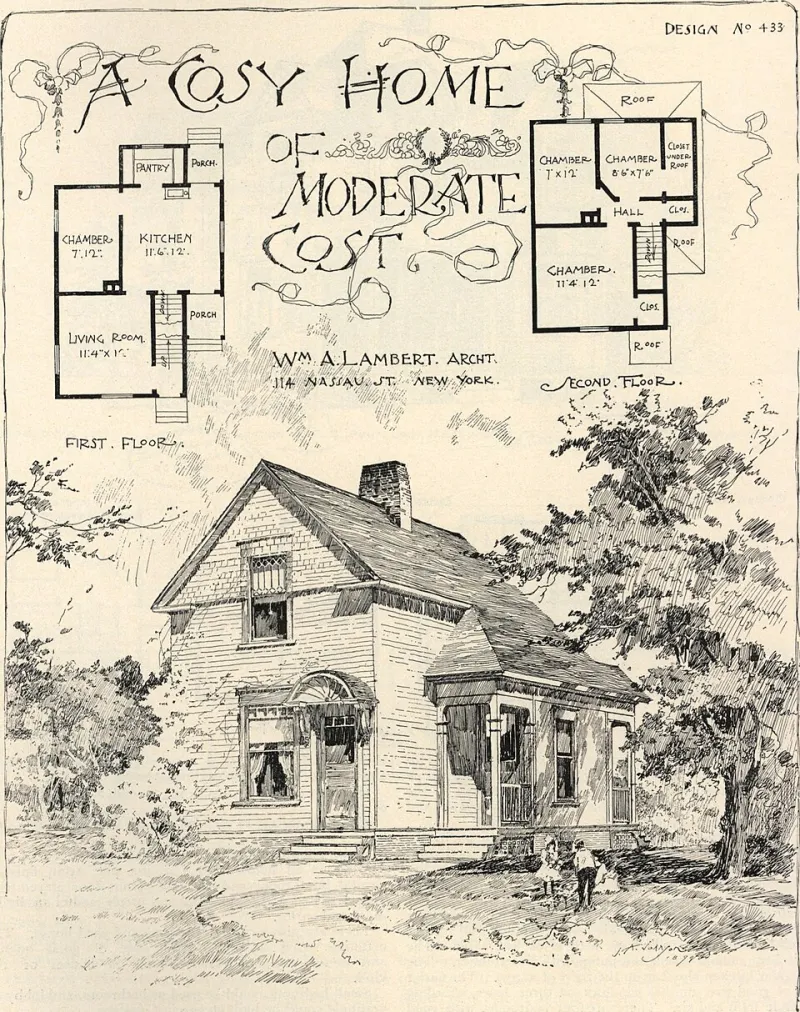
Photo: Wm A. Lambert, No restrictions, via Wikimedia Commons
Here is a fact that surprises most homeowners: the First Amendment almost certainly does not protect you in your own front yard. If you live under a homeowners association, the entity deciding whether your political sign can stand is a private corporation, and the constitutional speech protections that bind the government simply do not reach it. Given that roughly a quarter of American households — and a far larger share of new construction — sit inside association-governed communities, that means millions of citizens live where political expression is governed by contract law rather than constitutional law.
What follows are the seven most common ways association rules restrict expression, and what state legislatures have begun to do about it.
1. The Yard Sign Ban
The classic restriction: covenants barring "signs of any kind." For decades, boards enforced these against campaign signs, garage-sale notices, and support-the-troops displays alike. The backlash has been bipartisan and emphatic. Arizona's legislature passed a statute — upheld against challenge and often cited as the national model — requiring associations to permit political signs on a homeowner's own property during election seasons, with reasonable limits on size and timing. Texas, Colorado, and Virginia have adopted similar protections, each with its own window and dimension rules.
2. Timing Gimmicks
Even in states with sign protections, boards sometimes impose narrow posting windows — say, ninety days before an election — effectively erasing early campaigning and primary-season expression. Check your state statute's exact dates; some laws quietly favor boards here.
3. Banner and Flag Rules
Beyond signs, many covenants regulate banners and flags. Federal law protects the American flag — the Freedom to Display the American Flag Act of 2005 — but state flags, military service banners, and seasonal decorations typically depend on your state's legislature, not Congress.
4. Meeting and Forum Restrictions
Associations control common spaces, and some use that control to limit candidate forums, petition drives, or resident gatherings. A handful of states, notably California under the Davis-Stirling Act, now require associations to allow reasonable access for campaign purposes during board elections.
5. Content Neutrality That Isn't
Watch for rules that are neutral on paper but selectively enforced — approved yard sales for some, violations for others. Selective enforcement claims, while hard to prove, are among the few levers homeowners have in court.
6. Fine-and-Lien Leverage
Speech restrictions in an HOA carry a penalty structure no city ordinance can match: escalating fines, liens, and in extreme cases foreclosure. When the consequence of a sign is the loss of your home equity, the chilling effect is real even if the rule is never formally enforced.
7. The Silent Contract
Perhaps the least visible restriction is the one you agreed to at closing. Covenants are binding contracts, and courts routinely hold that buyers "had notice." Reform proposals in several states would require clearer disclosure of speech-related rules before purchase.
What You Can Actually Do
- Read your covenants before you buy, and again before you post anything.
- Know your state statute. Arizona, Texas, Florida, California, and Colorado all have association-specific speech protections; the details differ enormously.
- Document selective enforcement. Photographs, dates, and comparable examples matter.
- Show up. Board meetings are public forums in the practical sense — attendance and voting records change outcomes faster than litigation.
- Support reform. Sign-protection statutes have passed with overwhelming bipartisan margins; the trend is one of the few genuinely cross-partisan movements in state legislatures.
The Larger Question
Critics of reform note that buyers choose these communities, and contracts are contracts. Supporters answer that the choice is often illusory — association governance is the default for new housing in much of the country, and political expression is not a normal consumer amenity. Both positions have force. What is no longer debatable is the scale: private speech governance now covers more American front porches than any municipal ordinance ever has. The states that have acted suggest where the law is headed. The rest are deciding, one session at a time, whether your yard is yours.