Footage as Argument: The Unsettled Law of Filming the Government at Work
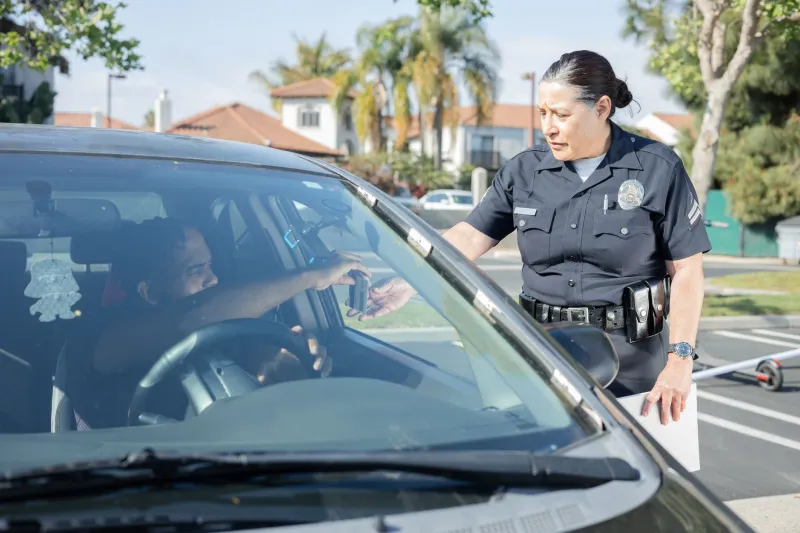
The smartphone has turned the sidewalk into a newsroom. A traffic stop, a city council meeting, a public protest: each can now be captured by anyone with a pocket-sized device. That shift has forced courts to answer a question the Framers never imagined: Is pressing record an act of expression protected by the First Amendment, or merely conduct that governments may regulate like any other?
The answer, across the United States, is yes and no. Federal appeals courts have largely recognized a right to record public officials performing public duties, but they have not agreed on the constitutional reasoning. Some treat filming as speech. Others describe it as conduct that enables speech. That distinction may sound academic. It is not. It determines whether a city can ban recording in a public building, whether an officer can order a phone put away, and whether a citizen who refuses can sue.
The Split Is Not About Whether Video Matters
Everyone agrees that footage can shape public debate. The disagreement is over how the Constitution protects the person holding the camera. In the First Circuit, the Seventh Circuit, and the Third Circuit, courts have held that the First Amendment protects the right to record police in public. The Fifth Circuit has recognized a similar right, while leaving room for reasonable restrictions. These rulings rest on the idea that public oversight depends on access to information, and that access depends on somebody being allowed to hit record.
Yet other courts have been narrower. Some have said recording is not itself speech, but only a tool for gathering information. That framing can matter when a government argues that a rule is not about content but about safety, privacy, or order. A court that sees recording as conduct may uphold restrictions that a court treating it as speech would strike down. The result is a legal map with bright spots and gray zones, not a single national rule.
What Courts Actually Agree On
The areas of agreement are real, and they matter for everyday citizens. Courts generally recognize that public officials have little expectation of privacy while performing official duties in public. They also accept that a person may record in public spaces, including streets and sidewalks, subject to ordinary time, place, and manner rules. And they tend to protect recording of matters of public interest, such as police encounters and legislative proceedings.
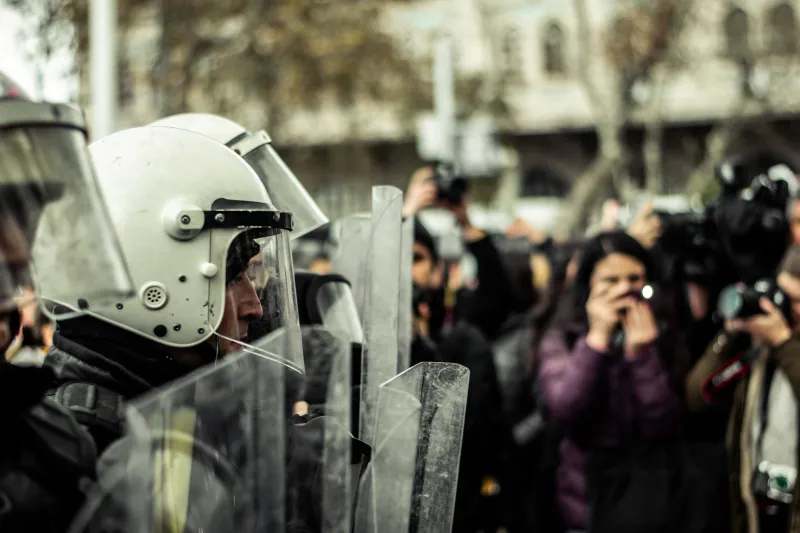
But the right is not absolute. Courts have upheld orders to stop recording when a person physically interferes with an officer, ignores a lawful cordon, or records in a private area without permission. The key question is often not whether the camera is protected but whether the person's behavior crossed into obstruction. That is why many legal guides tell citizens to record openly, keep a safe distance, and narrate what they are doing. The camera is protected; blocking a doorway is not.
The State Patchwork: Audio, Notice, and Open Meetings
State law adds another layer. Every state has wiretap or eavesdropping statutes, and some require the consent of all parties to record a conversation. Those laws can complicate audio recording, even in public. Many courts and attorneys general have concluded that recording police in public does not violate these statutes because officers have no reasonable expectation of privacy, but the analysis varies. A person who records video without sound may face fewer questions than one who captures audio, but the difference is not a safe harbor in every jurisdiction.
Public meetings raise separate issues. Most states have open meetings laws that allow citizens to observe and often record proceedings. Yet some local bodies impose rules on where cameras may stand, whether tripods are allowed, or whether recording can be limited to a designated area. Those rules can be lawful if they are reasonable and applied evenly, but they can also become a backdoor censorship tool if officials single out critics or disrupt recording they dislike.
Where the Right Is Strongest
The right to record is strongest in public spaces when the subject is a public official and the recording is open and non-disruptive. Federal courts in several circuits have said as much, and many local police departments now train officers to expect cameras. The right is also strong at open public meetings, where state law and the First Amendment together protect the ability to document what officials do.
It is weaker in places where privacy interests are higher, such as schools, hospitals, private homes, and secure government facilities. It is weaker still when recording becomes a confrontation. A person who refuses to move, shouts over an officer, or uses a camera to intimidate may lose the protection that a quiet observer would have.
Where It Remains Unsettled
The biggest unsettled questions involve enforcement. If an officer orders a person to stop recording, does that order violate clearly established law? Courts have divided on qualified immunity, leaving some citizens with a right but no practical remedy. The Supreme Court has not issued a definitive ruling on the right to record police. That absence keeps the issue in the lower courts, where circuit boundaries can determine outcomes.
Another open question is the status of recording in the digital age. Live streaming, automatic cloud uploads, and facial recognition raise issues that older cases did not address. Some states have proposed rules for body cameras and citizen footage, while others have moved to restrict recording near police operations. Each new policy tests the line between public oversight and public order.
A Practical Guide for the Street and the Council Chamber
For citizens, the practical lessons are straightforward. Know your state's audio law. Record openly rather than covertly. Stay out of the way. Do not physically resist an officer's movement, but do ask politely whether you are being ordered to stop and on what basis. Preserve the original file. And if you are recording a public meeting, check the body's written rules before you set up a camera.
For officials, the lesson is that the camera is not the enemy of good government; it is a form of public participation. Rules that apply evenly, leave room for recording, and focus on safety rather than message are more likely to survive review. Rules that treat filming as suspicion are more likely to end up in court.
The camera is speech in many courtrooms and conduct in others. Until the Supreme Court or Congress settles the question, the right to record will depend on where you stand, whom you film, and how the record is made. That is an unstable foundation for a democracy that increasingly relies on video to know what its government is doing.